Sewing Coffee Chocolate: A Designer’s Review
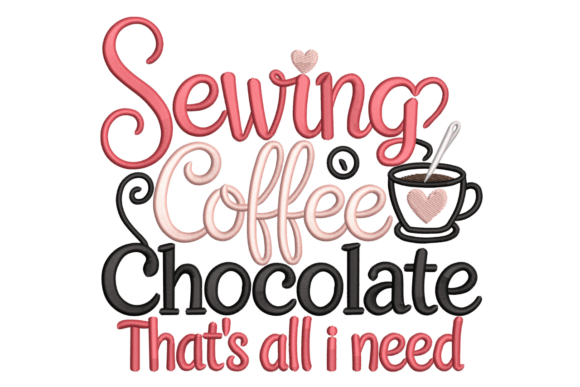
As an embroidery digitizer and product reviewer, I have stitched out thousands of designs, but few capture the specific mood of our maker community quite like Sewing Coffee Chocolate – Crafty Quote. When evaluating a new machine embroidery design for potential use in client projects or shop inventory, my first question is always about relatability. Does this design speak to the person wearing it or using it? This particular design succeeds because it targets the ultimate trifecta of comfort that defines modern sewing crafts. The bold, stacked text layout offers excellent readability and a clean aesthetic that translates beautifully from screen to fabric.
From a technical standpoint, the stacked typography is a significant advantage. Unlike sprawling script fonts that can become illegible on textured fabrics or get lost in garment seams, vertical stacking maximizes hoop space efficiency. This makes the embroidery file highly versatile for various applications, from custom apparel to home decor. As I reviewed the digital assets, the visual weight felt balanced, suggesting that the stitch density would be manageable without causing excessive puckering on lighter materials.
Real-World Application: The Canvas Tote Test
To truly evaluate Sewing Coffee Chocolate – Crafty Quote, I approached it with a specific project in mind: a heavy-duty canvas tote bag intended for sale at a local craft fair. Tote bags are a staple for any Etsy seller or small shop product line, but they present unique challenges due to the coarse fabric texture and the need for durability.
In this scenario, the design’s bold lettering proved ideal. I opted for a high-contrast thread color against natural unbleached canvas. Because the text is stacked, I could center the embroidery project perfectly above the bag’s bottom seam without worrying about the design running into the side gussets during hooping. The result was a crisp, professional finish that looked intentional rather than slapped on. Customers responded immediately to the sentiment; it wasn't just a bag, it was a statement of identity. This validates the design's strength as a commercial embroidery asset. It bridges the gap between a personalized gift for a friend and a viable retail product for a handmade business.
Versatility Across Substrates and Projects
Beyond tote bags, this design shows remarkable adaptability across different categories of sewing crafts. Here is how I see it performing in various real-life situations:
- Sweatshirt Embroidery: The cozy vibe aligns perfectly with fleece and french terry fabrics. Center-chest placement on a crewneck creates an instant boutique feel. The stacked format sits well above the kangaroo pocket area on hoodies.
- Kitchen Textiles: Tea towels and aprons are classic homes for crafty quotes. The design’s theme directly correlates to kitchen activities (coffee and chocolate), making it a logical choice for holiday embroidery gifts or hostess presents.
- Nursery and Baby Items: While "coffee and chocolate" isn't for babies, the softer aesthetic works for mom-centric baby shower gifts, such as a nursing cover or diaper bag. Always verify the stitch type is smooth enough if placing near skin-contact areas.
- Patches and Caps: Due to the vertical orientation, this design fits naturally on curved cap fronts or rectangular patches. However, ensure your embroidery file includes adequate underlay to prevent distortion on curved surfaces.
Critical Considerations for Stitch Success
No matter how charming a design appears in a printable mockup, its success depends entirely on execution. There are specific scenarios where Sewing Coffee Chocolate – Crafty Quote requires careful handling to maintain professional quality.
Fabric Texture and Stability: If you are stitching on plush minky, waffle knit, or thick terry cloth, the detail in smaller letters may get swallowed by the pile. In these cases, use a water-soluble topping stabilizer to keep the stitches visible. Conversely, on thin quilting cotton or lightweight linen, the stacked text block can create a dense area of stabilization. Using a cut-away stabilizer is non-negotiable here to prevent the fabric from pulling or warping after washing.
Stretchy Fabrics: For t-shirts and performance wear, test the design on scrap fabric first. Bold text blocks can sometimes act as a rigid plate on stretchy material. You may need to adjust the stitch density or choose a variation of the embroidery file specifically optimized for knits to avoid a stiff, bulletproof patch effect.
Dark vs. Light Backgrounds: Before committing to a production run, test thread colors against both black and white backgrounds. Some satin stitch outlines disappear on dark fabrics unless you increase contrast significantly. Remember that what looks vibrant in digital design assets might look muddy on navy blue cotton.
Professional Notes for Makers and Sellers
For those integrating this design into a craft business or Etsy shop, presentation and preparation are key to customer trust and brand consistency.
- Verify Licensing: Before listing any finished product or selling the digital embroidery file itself, confirm the specific license terms. Commercial embroidery rights vary by designer, and protecting your business starts with respecting intellectual property.
- Mockup Accuracy: Use realistic mockups that reflect the actual stitch texture. Flat vector images can mislead buyers about the tactile nature of the handmade product. Show the design on the actual item type you intend to sell.
- Hoop Size Confirmation: Check the exact dimensions of the design against your available hoops. Stacked text often requires taller hoops. Ensure you have adequate clearance so the design doesn't stitch too close to the hoop edge, which causes tension issues.
- Thread Color Strategy: Offer customization options. While the standard colorway is likely appealing, allowing clients to match thread colors to their brand or personal preference increases the perceived value of the personalized gift.
- Wash Testing: If selling tea towels or apparel, wash-test your sample. Ensure the fill stitch and satin stitch elements hold up without fraying. This step is crucial for maintaining positive reviews and repeat customers.
Elevating Your Handmade Portfolio
Sewing Coffee Chocolate – Crafty Quote is more than just a cute saying; it is a functional design asset that solves common layout problems while delivering high emotional resonance. Its strength lies in its simplicity and targeted appeal. Whether you are creating a signature sweatshirt for your shop, designing a heartfelt holiday gift, or expanding your catalog of sewing crafts, this design offers a reliable foundation.
Success in machine embroidery comes from matching the right design to the right substrate and executing it with technical precision. By understanding the nuances of stitch density, stabilizer selection, and fabric compatibility, you transform a digital file into a tangible product that customers cherish. Take the time to test, adjust, and refine your approach with this design, and it will undoubtedly become a staple in your creative repertoire. Always remember to check the specific file details provided by the digitizer regarding formats and sizes to ensure seamless compatibility with your equipment before beginning your next embroidery project.