Cookie Regular Embroidery Font: A Designer Review
As an embroidery designer who constantly balances aesthetic appeal with production efficiency, finding the right script font is often the most challenging part of sourcing design assets. When I first encountered the Cookie Regular Embroidery Font on Creative Fabrica, I was immediately drawn to its promise of a sleek, modern flair. In the world of Sewing Crafts, script fonts can easily veer into being too ornate or, conversely, too sterile. My goal in this review is to evaluate whether this specific machine embroidery design holds up under the needle for real-world commercial and personal projects.
First Impressions: Visual Mood and Stitch Personality
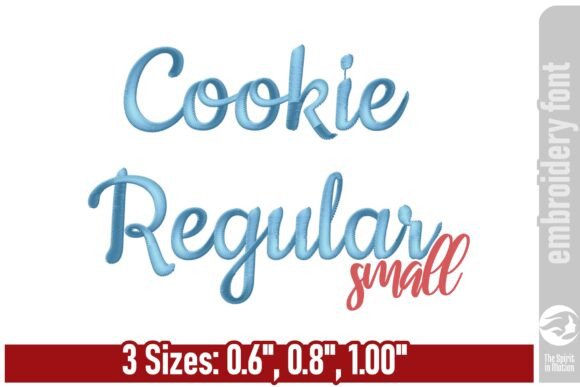
My initial assessment of the Cookie Regular Embroidery Font focused on its visual rhythm. Unlike block letters that rely on uniformity, this script offers a flowing design that suggests movement. For a professional digitizer or embroiderer, the "stitch personality" is just as important as the digital preview. This font appears to prioritize elegance without sacrificing readability, which is crucial for custom apparel and personalized gifts.
The description highlights its suitability for clothing, accessories, and home décor, and visually, it delivers. It strikes a balance between a casual handwritten feel and a polished boutique look. This versatility is essential for Etsy sellers and small business owners who need one reliable font to cover multiple product categories. However, before adding it to my permanent library, I had to consider how these curves would translate from screen to fabric.
Performance on Apparel and Accessories
I evaluated this font specifically for high-demand items like sweatshirts and tote bags. Sweatshirt embroidery requires a font that can withstand the texture of fleece or French terry without getting lost. The Cookie Regular Embroidery Font seems designed with enough weight to sit atop textured fabrics, provided you use the correct stabilizer. If the stitch density is optimized correctly within the embroidery file, it should prevent the stitches from sinking into the pile of the fabric.
For tote bag designs, particularly those made of canvas or denim, this script adds a necessary softness to rigid materials. Canvas is unforgiving; if a font is too thin, it looks weak. If it is too dense, it creates a bulletproof patch that distorts the bag. This font’s sleek profile suggests it navigates this middle ground well, making it a strong candidate for market-ready tote bags and aprons.
Nursery Decor and Baby Items
One of the most profitable niches for Creative Fabrica embroidery users is baby goods. Whether stitching a name onto a baby blanket or creating nursery decor, the font must be legible yet gentle. The flowing nature of Cookie Regular makes it appropriate for these sentimental items. However, when working on plush fabrics like minky or velour, I always advise testing on scrap fabric first. You may need to adjust your top thread tension or use a water-soluble topping to ensure the script remains crisp and elegant.
Technical Considerations for Small Hoops and Detail
A beautiful font is useless if it cannot scale down. Many handmade products, such as cuffs, collars, or embroidered patches, require small lettering. Script fonts are notoriously difficult at small sizes because the connecting threads can cause puckering or breakage.
When using Cookie Regular Embroidery Font for tiny text, pay close attention to the following:
- Hoop Size Compatibility: Ensure the specific size variation you select fits your smallest hoop without requiring excessive re-hooping.
- Stitch Type Verification: Check if the smaller sizes utilize a running stitch or a narrow satin stitch. Satin stitches below 2mm can be problematic on certain machines.
- Thread Colors: High contrast is vital for small scripts. White thread on dark fabric will show definition better than pastel on white, especially if the stitch width is reduced.
- Stabilizer Choice: For small, dense script areas, a cut-away stabilizer is generally superior to tear-away to prevent distortion during the trimming process.
If you plan to use this for caps, verify that the file includes curved versions or be prepared to use cap-specific framing. Flat script files often distort on the curved surface of a hat unless they have been digitized specifically for that application.
Impact on Product Value and Brand Consistency
For creative entrepreneurs, typography is branding. Using a consistent font across your finished products builds buyer trust and recognition. Cookie Regular Embroidery Font has the potential to serve as a signature typeface for a shop specializing in modern, feminine, or minimalist goods.
Beyond the physical stitch, consider the marketing aspect. This font photographs beautifully. The clean lines and stylish flow make for excellent printable mockups and social media content. When customers browse your Etsy listings, the legibility and elegance of the font in your product photos directly influence their perception of quality. A messy or outdated script can devalue a premium blank garment, whereas a sleek font like Cookie elevates the perceived worth of the commercial embroidery piece.
Practical Workflow Notes for Designers
Before listing any item featuring this font for sale, I recommend a rigorous testing protocol. Do not assume the digital file is perfect for every fabric in your inventory.
- Test on Scrap Fabric: Always stitch out the largest and smallest sizes you intend to use. Inspect the registration and pull compensation.
- Review Stitch Density: If you are digitizing or resizing yourself, ensure you aren't creating holes in knit fabrics by over-densifying the curves.
- Check Licensing: This is critical. Before selling finished items or offering the font as part of a bundled digital product, confirm the specific license terms on the Creative Fabrica product page. Licenses can change, and protecting your business means verifying your rights to use the digital embroidery file commercially.
- Compare Mockups: Create mockups on both light and dark backgrounds. Some script fonts lose their connecting stitches visually against dark backgrounds in software previews, even if they stitch out fine. Verify this before promising a specific look to a client.
Evaluating Versatility Across Projects
The true test of any embroidery file is its range. Can it handle a kitchen towel as well as a silk pillow cover? Kitchen towels require durability and frequent washing; the script needs secure tie-offs and adequate density to survive laundry cycles. Conversely, pillow covers and nursery decor allow for more delicate stitching where aesthetics take precedence over heavy-duty wear.
Cookie Regular Embroidery Font appears to bridge this gap effectively. It is not so delicate that it falls apart on utility items, nor so bold that it overwhelms decorative pieces. For craft fair vendors, this means you can offer personalized napkins, monogrammed clutches, and custom hoodies all using the same cohesive typeface, streamlining your production workflow and inventory management.
Final Thoughts for the Professional Embroiderer
In the saturated market of Embroidery and digital crafts, standing out requires tools that offer both reliability and style. Cookie Regular Embroidery Font presents itself as a strong contender for designers seeking a modern script that doesn't sacrifice functionality. Its sleek profile addresses the common pain points of legibility and fabric compatibility that plague many free or low-quality script fonts.
However, success with this font depends on your technical diligence. Treat it as a professional tool: test it, stabilize appropriately, and respect the licensing. Whether you are creating a personalized gift for a friend or fulfilling a bulk order for a corporate client, this font has the potential to add that necessary touch of elegance and charm to your work. As with any asset from Creative Fabrica, the value lies not just in the download, but in how skillfully you integrate it into your unique creative process. Always review the current product details and file specifications before starting your next project to ensure it meets your specific machine and business requirements.