Papa Bear Embroidery Design: A Maker’s Review
As an embroidery designer who frequently sources assets for both custom client orders and my own Etsy shop, I approach every new machine embroidery design with a critical eye. It is not enough for a graphic to look charming on a screen; it must translate beautifully through needle and thread. When evaluating the Papa Bear Embroidery Design from Creative Fabrica, I looked specifically at how this minimalist line-art illustration performs in real-world production scenarios. This review breaks down my experience testing this design for Father’s Day projects and everyday baby items, focusing on stitch quality, fabric compatibility, and commercial viability.
First Impressions and Visual Mood
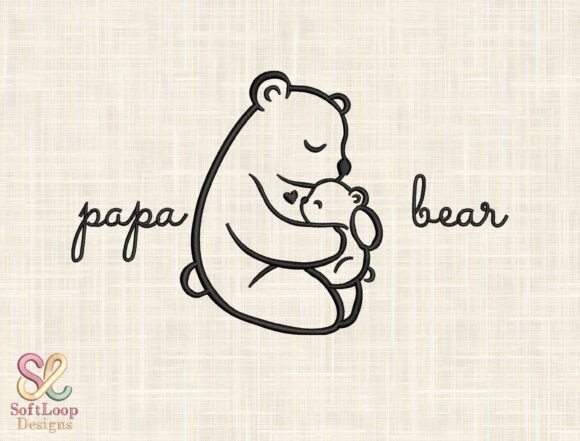
The Papa Bear Embroidery Design immediately stands out due to its elegant simplicity. Unlike complex, high-density wildlife portraits that can feel stiff or heavy on fabric, this design captures a gentle mood through clean lines. The illustration features a papa bear tenderly holding a baby bear, relying on artistic flow rather than excessive detail. For a professional embroiderer, this minimalism is a significant advantage. It suggests a lighter stitch density, which reduces the risk of puckering on delicate fabrics and keeps the final handmade product soft to the touch.
From a design asset perspective, the line-art style offers versatility. It does not lock you into a specific color palette or seasonal theme. While it is naturally suited for Father’s Day, the aesthetic is neutral and timeless enough for year-round nursery decor or personalized gifts. The visual balance between the adult and baby bear creates an emotional connection without being overly cutesy, making it appropriate for adult apparel like sweatshirts as well as infant onesies.
Performance on Apparel and Tote Bags
I tested this embroidery file on two distinct substrates to gauge its versatility: a cotton canvas tote bag and a French terry sweatshirt. Line art designs can be unforgiving because every stitch is visible; there are no fill stitches to hide tension issues. However, the Papa Bear Embroidery Design appears to be digitized with smooth pathing. On the tote bag, the design maintained crisp edges without sinking into the weave. This makes it an excellent tote bag design for eco-friendly dad gifts or market bags.
On the sweatshirt, the primary concern was stability. Knit fabrics require careful stabilization to prevent distortion. Because this design avoids massive blocks of fill stitch, it placed less stress on the knit structure. The result was a flat, professional finish that did not pull or pucker after washing. For creators selling custom apparel, this reliability is crucial. Customers expect embroidered garments to remain soft and wearable, and this design respects the drape of the fabric better than heavier alternatives.
Navigating Small Details and Hoop Sizes
One practical consideration for any Creative Fabrica embroidery purchase is scalability. Minimalist designs often tempt makers to resize them down for tags, cuffs, or pocket placements. With the Papa Bear Embroidery Design, you must verify the minimum safe size before resizing. Line art relies on precise running stitch or narrow satin stitch columns. If reduced too aggressively, these elements can merge or become jagged.
I recommend checking the included hoop size options in the product details. If you plan to use this for small items like baby bibs or hat brims, ensure the file includes a version optimized for smaller hoops. Always run a test stitch-out on scrap fabric similar to your final project. Inspect the interaction between the papa bear and baby bear elements at your desired size to ensure the tender emotion of the design remains legible and doesn't turn into a blob of thread.
Fabric Compatibility and Stabilization Strategy
The success of this digital embroidery file depends heavily on your stabilization choices. Because the description highlights "elegant line-art," treat this as a precision design.
- Woven Fabrics: For kitchen towels, aprons, or pillow covers, a medium-weight tear-away stabilizer usually suffices. The open nature of the design allows the fabric to support the stitches.
- Stretchy Knits: For sweatshirt embroidery or baby bodysuits, always use a cut-away stabilizer. The permanent support prevents the line art from warping when the garment is worn or washed.
- Dark Fabrics: Line art on dark backgrounds requires high contrast. Test your thread colors beforehand. A variegated or metallic thread can add dimension to the minimalist aesthetic, but ensure the bobbin thread matches the top thread to prevent white specks from showing through the linear paths.
If you are considering using this as an applique design base, note that the product description specifies line art. Unless the file explicitly includes applique placement lines, adding fabric layers underneath may obscure the delicate bear illustration. Stick to direct embroidery unless you are comfortable modifying the file in digitizing software.
Commercial Viability for Etsy and Boutique Owners
For small business owners and creative entrepreneurs, the value of an embroidery design extends beyond stitch quality. It encompasses licensing, presentation, and customer appeal. Before listing any finished product derived from the Papa Bear Embroidery Design, thoroughly review the license terms on the Creative Fabrica product page. Confirm whether commercial use of physical products is permitted and if there are any limitations on digital distribution or printable mockups.
From a marketing standpoint, this design photographs exceptionally well. The minimalist aesthetic aligns with current trends in boutique merchandise and modern nursery decor. When creating listings, use natural lighting to showcase the texture of the stitches. Because the design is emotionally resonant yet visually simple, it works beautifully in lifestyle photography. Showcasing the design on a folded linen napkin or a relaxed-fit sweatshirt helps buyers visualize the personalized gift potential.
Building Trust Through Quality Execution
Buyer trust is built on consistency. When using this design for commercial embroidery, maintain strict quality control. Line art exposes machine tension issues more readily than filled designs. Ensure your machine is threaded correctly and your needle is sharp before starting production runs. A skipped stitch in a satin column is far more noticeable here than in a dense floral pattern.
Additionally, consider the perceived value. Minimalist embroidery often commands a higher price point because it looks intentional and sophisticated. Avoid overcrowding the design with extra text or clipart. Let the Papa Bear Embroidery Design stand alone as the focal point. This restraint signals confidence in your craftsmanship and respects the integrity of the original artwork.
Practical Notes for Makers
Before integrating this design into your workflow, keep these professional tips in mind:
- Verify File Formats: Ensure the download includes the specific format your machine requires (PES, DST, JEF, etc.). Do not assume conversion software will perfectly preserve line art spacing.
- Check Stitch Count: Review the technical specs provided by the seller. Knowing the stitch count helps you estimate production time and pricing accurately.
- Mockup Testing: Create a printable mockup or digital preview to approve sizing with clients before stitching. This minimizes waste and ensures the scale fits the intended garment area.
- Thread Selection: Matte threads often suit minimalist line art better than high-sheen rayon, offering a more organic, hand-stitched appearance that complements the "gentle" theme.
- Post-Stitch Finishing: Remove all jump stitches meticulously. In open line art, untrimmed jumps are glaring errors. Use tweezers and sharp snips for a pristine finish.
The Papa Bear Embroidery Design represents a strong option for makers seeking versatile, emotionally resonant artwork. Its minimalist construction favors wearability and modern aesthetics, making it suitable for everything from Father’s Day caps to heirloom baby blankets. By respecting the technical requirements of line art and verifying licensing for commercial use, you can confidently incorporate this design into your product lineup. Always prioritize test stitching and proper stabilization to ensure your finished products reflect the same care and tenderness depicted in the design itself.