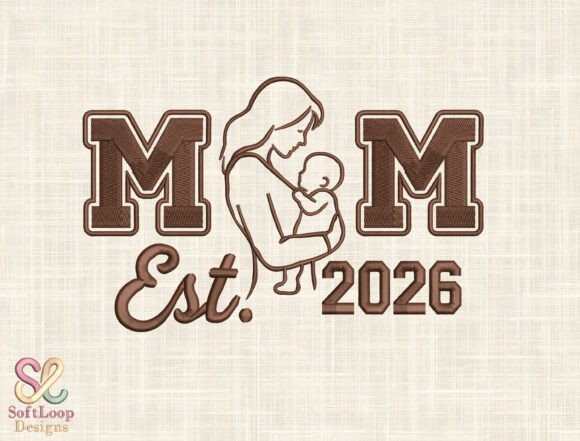
Mama Machine Embroidery Design Review
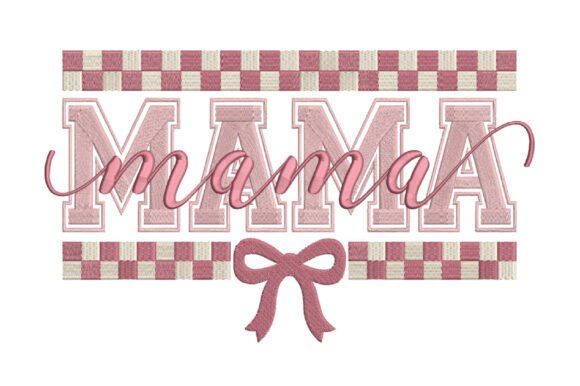
As a professional embroidery designer specializing in commercial merchandise and branded apparel, I approach every new machine embroidery design with a critical eye toward production viability. When reviewing the Mama Machine Embroidery Design, specifically the "Mom Est. 2026" variation featuring a mother cradling a child, my primary focus is not just the sentimental aesthetic but how this digital asset translates into profitable, high-quality goods for small businesses. For Etsy sellers, boutique owners, and custom apparel decorators, this design represents more than a holiday graphic; it is a potential cornerstone for niche branding.
Visual Personality and Commercial First Impressions
The first impression of the Mama Machine Embroidery Design is undeniably tender and emotive. From a business perspective, this visual tone is highly marketable within the maternal, family-oriented, and handmade sectors. The imagery of a mother cradling an infant communicates care, safety, and intimacy instantly. For a small business owner, this emotional resonance is a powerful tool for building brand identity. Unlike generic clip art, this design feels curated and intentional, which elevates the perceived value of any finished product.
However, professional application requires balancing sentiment with legibility. The script style often associated with "Est." designs must be evaluated for stitch clarity. In my review, I look for clean satin columns and adequate spacing between the illustrative element and the text. A design that looks beautiful on screen can become a muddy mess on fabric if the details are too intricate. This particular design strikes a balance that suggests it will work well for custom apparel targeting new mothers, maternity brands, and family photographers looking for branded props or gifts.
Real-World Applications for Small Business Merchandise
Versatility is key when investing in a digital embroidery file. Based on the composition of the Mama Machine Embroidery Design, I see several high-value applications for commercial use:
- Boutique Staff Uniforms: For maternity stores, doulas, or pediatric clinics, this design serves as an excellent left-chest logo. It signals empathy and specialization to clients immediately upon entry.
- Apron Embroidery: Bakeries, florists, and craft studios catering to families can utilize this on aprons. The vertical orientation of a mother-and-child motif often fits perfectly above the waist tie or centered on the bib.
- Tote Bag Design: Canvas totes are a staple for hospital bags and diaper carryalls. This design provides a premium, personalized touch that transforms a generic bag into a keepsake or high-end retail item.
- Embroidered Patch Production: Because the design captures a specific milestone ("Est. 2026"), it is ideal for limited-run patches. These can be sold as collectibles or used as packaging accents for luxury baby products.
- Father S Day Crossovers: While clearly maternal, this design has cross-selling potential for Father’s Day merchandise when marketed as "From Mom & Baby" gifts, expanding your seasonal revenue window.
Production Considerations and Technical Limitations
Every experienced digitizer knows that where a design shines, it also has limitations. When planning to use the Mama Machine Embroidery Design for commercial embroidery, you must exercise caution in specific areas to maintain quality standards.
Cap Embroidery Challenges: While caps are popular merch items, the curved surface and center seam can distort detailed illustrations. If the cradling figure contains complex shading or tiny facial features, I recommend testing on a flat brim hat or avoiding caps entirely unless you have confirmed the file includes cap-specific compensation. Alternatively, use the design on the side panel where the fabric is flatter.
Small Patch Sizes: Reducing this design for 2-inch or 3-inch patches requires scrutiny. The "Est. 2026" text likely contains thin serifs or connecting script lines. If resized below a certain threshold without professional editing, these stitches may break or disappear. Always verify the minimum safe size before mass-producing small business merch.
Fabric Texture and Stabilizer: The delicate nature of this artwork demands a stable foundation. On textured fabrics like terry cloth or fleece, the fine details of the mother’s silhouette may get lost. You must use appropriate stabilizer—likely a cutaway for knits or a heavy tear-away for canvas—to ensure the registration holds. High stitch density areas in the illustration may cause puckering on lightweight garments, so testing on the actual production fabric is non-negotiable.
Impact on Brand Value and Customer Trust
In the handmade and small business sector, professionalism builds trust. Using a high-quality embroidery file like the Mama Machine Embroidery Design signals to customers that you care about details. Sloppy stitching, poor contrast, or illegible text devalues your brand. Conversely, crisp execution of this tender imagery reinforces a narrative of quality and care.
For businesses selling handmade product lines, consistency across design assets is vital. This design should complement your existing typography and color palette. If your brand uses muted, earthy tones, ensure the thread colors selected for this design match that aesthetic rather than defaulting to bright primaries. This visual cohesion increases buyer engagement and makes your merchandise look like part of a curated collection rather than a one-off novelty.
Essential Designer Notes Before Production
Before you hoop a single shirt or finalize a product listing, follow this professional checklist to ensure the Mama Machine Embroidery Design meets commercial standards:
- Verify Licensing: Confirm the license allows for commercial sale of finished goods. Some files are for personal use only, which would prohibit using them for staff uniforms or retail merchandise.
- Check File Specifications: Since exact stitch counts and hoop size requirements are not listed in the basic description, open the file in your software first. Ensure it fits your machine’s capabilities and your intended garment placement.
- Create a Printable Mockup: Before running physical samples, generate a digital mockup to show clients or stakeholders. This helps approve placement and scale without wasting materials.
- Test in Black and White: Run a test stitch-out using only black thread on white fabric. This reveals the true structure of the design without color distraction, allowing you to spot density issues or gaps.
- Evaluate Thread Contrast: Test the design on both light and dark backgrounds. The "Est. 2026" text must remain readable against all intended garment colors. You may need to adjust underlay or add an outline for dark uniforms.
- Wash Test: If producing baby items or workwear, wash and dry the sample. Maternity and service industry merchandise faces frequent laundering; ensure the design survives without fraying or distorting.
The Mama Machine Embroidery Design offers significant potential for businesses targeting the maternal and family market. By treating it as a professional asset rather than just a decorative element, and by adhering to strict production testing, you can create merchandise that honors the journey of motherhood while strengthening your business reputation. Whether applied to a boutique apron, a commemorative patch, or a branded tote, success lies in respecting the technical realities of embroidery alongside the emotional weight of the design.