Summer Beach Embroidery Design Review
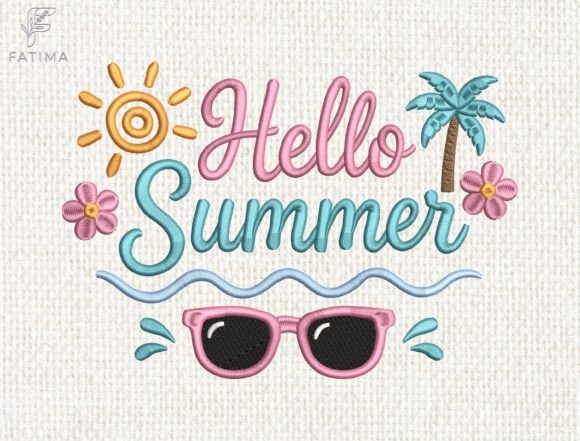
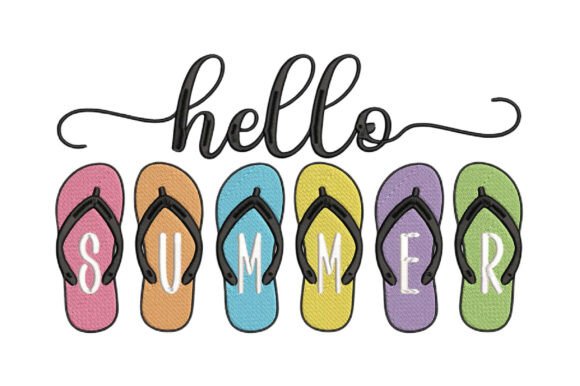
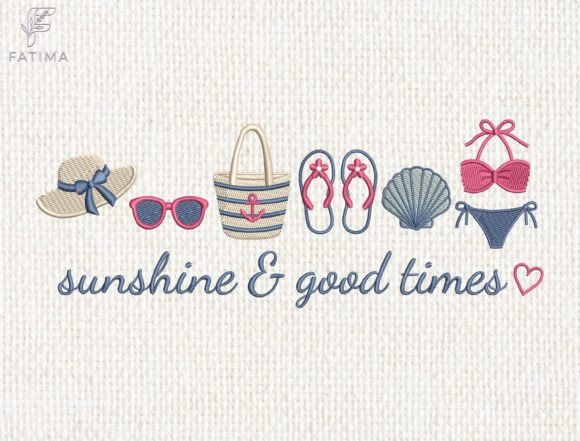
As an experienced embroidery designer preparing for the upcoming weekend craft fair season, I am constantly evaluating which digital assets will translate best into physical sales. When reviewing the Summer Beach Embroidery Design, specifically the "Sunshine Good Times" collection, my immediate focus is on commercial viability and booth appeal. This machine embroidery design features a curated row of six quintessential summer icons, presenting a feminine and charming aesthetic that feels distinctly premium yet accessible. For Etsy sellers and boutique makers, this specific layout offers a unique advantage: it functions as both a comprehensive border and a set of individual motifs, maximizing the value of a single embroidery file.
First Impressions and Booth Appeal
The first impression of this Summer Beach Embroidery Design is undeniably cheerful and nostalgic. It strikes a balance between modern minimalism and classic seaside charm. Unlike overly complex or dense scenic designs that can look muddy from a distance, this linear arrangement reads clearly across a crowded market table. The feminine color palette suggested by the description implies soft corals, sunny yellows, and ocean blues, which naturally draw the eye in outdoor lighting. For a handmade product display, this visual clarity is crucial. Customers browsing quickly need to understand the theme instantly, and this design achieves that without requiring them to stop and squint at tiny details.
From a brand consistency perspective, this design asset allows for a cohesive collection. Whether you are stocking tea towel embroidery items or embroidered patch products, the recurring motif creates a professional, curated look for your small shop product line. It avoids the chaotic feel of mismatched themes, helping creative entrepreneurs build a recognizable summer brand identity that encourages multiple purchases.
Best Selling Applications for Market Day
Evaluating where this design performs best requires understanding the relationship between the artwork and the substrate. Based on the linear, row-based composition described, here is how I would prioritize production for a craft fair product lineup:
- Tote Bag Design: This is the primary candidate. The horizontal row format fits perfectly above the bottom seam or across the center of a canvas tote. As a tote bag design, it offers ample negative space, making it an excellent backdrop for adding custom vinyl names or monograms, which significantly increases perceived value.
- Tea Towel Embroidery: Kitchen linens are high-volume sellers. Placing this row along the bottom hem of a flour sack towel creates a classic, high-end finish. The design’s feminine touch elevates a utilitarian item into a giftable handmade product.
- Apron Embroidery: For summer BBQs and beachside cooking, this design works beautifully across the bib or lower pocket area of a linen apron. It serves as a focal point without interfering with the garment's function.
- Fabric Pouches and Zippers: Because the collection includes six distinct elements, they can be separated. Individual icons work exceptionally well as zipper pulls or centered accents on cosmetic pouches, allowing for batch production of smaller, lower-priced impulse buy items.
While caps are popular, I would approach curved surfaces with caution regarding this specific linear layout unless the design has been digitized specifically for 3D puff or cap hoops. Flat market bags and pillow covers remain safer, higher-margin bets for this particular Summer Beach Embroidery Design.
Production Practicality and Batch Efficiency
For commercial embroidery businesses, time is money. A major selling point of this digital embroidery file is its potential for repeatability. Linear borders and rows are generally faster to hoop and align than large, irregular shapes. When preparing for a market, I look for designs that allow me to stitch out multiples in succession without constant re-hooping adjustments. This design appears optimized for such workflow efficiency.
Photographing finished goods for online listings is another critical factor. The distinct separation of the six icons means the design photographs well even when partially obscured by props like sunglasses or seashells. For printable mockup creation, the clean lines and recognizable shapes make it easy to visualize on various blank templates, aiding digital sellers who may not have stitched every variation yet. However, always verify that your license permits the use of mockups versus requiring photos of actual finished products.
Critical Technical Considerations
Despite its charm, every machine embroidery design has technical limitations that must be respected to ensure quality. When testing this Summer Beach Embroidery Design, pay close attention to the following:
- Stitch Density and Fabric Texture: If stitching on textured towels or thick canvas totes, ensure the stitch density is sufficient to prevent the fabric grain from showing through. Conversely, if the design is too dense for lightweight linen, it may cause puckering. Always test stabilizer combinations.
- Small Lettering and Details: The description mentions "quint" elements, which often include text or fine lines. Verify that any lettering remains legible at the intended size. Reducing a design below its recommended dimensions can cause thread breaks and illegible text.
- Hoop Size Verification: Before purchasing or stitching, confirm the exact hoop size requirements. A linear row design might require a wider hoop than standard 4x4 frames. Do not assume resizing will maintain stitch integrity.
- Thread Colors and Contrast: Test thread contrast against your chosen fabric colors. Pastel threads on white fabric may disappear in bright sunlight, while dark threads on navy fabric lack definition. High contrast ensures the design pops at the booth.
Designer Notes for Successful Selling
To maximize the return on this embroidery file, treat your preparation phase as seriously as the selling phase. Always create at least one real mockup on the exact fabric you intend to sell. Digital renderings cannot replicate the sheen of rayon thread or the texture of linen. Inspect the back of your test stitch-out; messy jump stitches or excessive trims indicate digitizing issues that could frustrate customers or devalue your handmade product.
Furthermore, review the spacing between the six icons. If you plan to use them individually as patches or small accents, ensure there is enough gap to cut or isolate them safely within your software. Finally, and most importantly, confirm commercial licensing terms before listing any finished product. Understanding whether you can sell unlimited physical items or if there are caps on production protects your business long-term.
This Summer Beach Embroidery Design holds significant promise for the upcoming season. Its blend of feminine aesthetics, versatile application, and clear visual communication makes it a strong contender for any serious crafter’s summer lineup. By focusing on practical production and strategic product placement, you can turn this digital asset into a bestseller at your next market.