Mom Life is Sweetest Life Embroidery Review
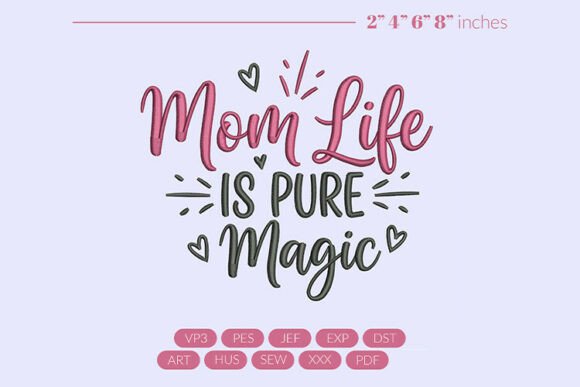
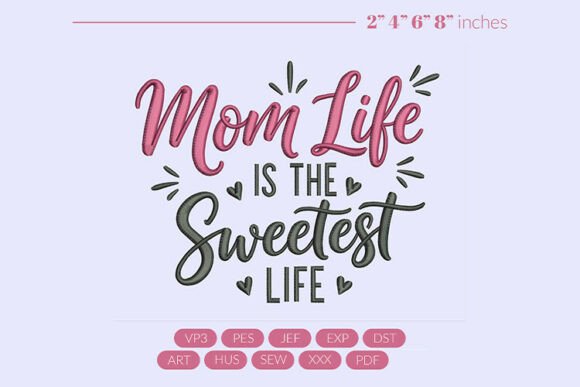
As an embroidery designer curating a seasonal collection for Mother’s Day and spring celebrations, I am constantly evaluating which designs will translate best from a digital screen to a tangible, sellable product. When reviewing the Mom Life is Sweetest Life Embroidery design, my immediate impression is one of warmth and approachability. The soft script lettering paired with cute heart accents creates an emotional tone that is cozy, nostalgic, and distinctly feminine without being overly juvenile. For Etsy sellers and small shop owners, this aesthetic hits the sweet spot for holiday shoppers looking for sentimental value. It feels premium enough for apparel but playful enough for everyday accessories, making it a versatile candidate for a seasonal product drop.
Evaluating Seasonal Appeal and Emotional Connection
In the competitive landscape of holiday embroidery, visual recognition and buyer emotion are paramount. This specific machine embroidery design leverages the popular "Mom Life" niche but elevates it with a sweeter, more celebratory message suitable for gifting. Unlike sarcastic or tired parenting quotes, this design evokes gratitude and love, which directly influences purchase intent during Mother's Day. From a design perspective, the flow of the script suggests movement and softness, implying that the stitch-out will have a graceful drape rather than a stiff, blocky appearance. This is crucial when planning products like lightweight tees or baby items where fabric texture must remain breathable and comfortable.
For those building a cohesive brand identity, this design offers excellent consistency. The heart accents serve as natural anchor points that can be color-matched to other items in your shop, creating a unified seasonal palette. Whether you are selling standalone pieces or curated gift bundles, the emotional resonance of this design helps establish customer trust. Shoppers recognize quality and thoughtfulness, and the delicate nature of this artwork signals that the finished product was made with care.
Strategic Product Applications for Holiday Sales
When integrating this embroidery file into a commercial lineup, versatility is key. Based on the included sizes (2, 4, and 6), I see distinct opportunities across multiple product categories:
- Sweatshirt Embroidery: The size 6 option is ideal for left-chest placement on crewnecks and hoodies. This is a staple for spring craft fairs and Etsy listings. The script style works beautifully on fleece, provided the stabilizer is adequate to prevent sinking.
- Tote Bag Design: Canvas totes are high-margin items for Mother’s Day. The medium size fits perfectly above a pocket or centered on a standard 15x16 tote. This application highlights the design’s readability from a distance, essential for market displays.
- Kitchen Towel Embroidery: Using the size 4 or 6, this design transforms a utilitarian item into a cherished keepsake. Flour sack towels are particularly effective here because their smooth weave captures the detail of the script and hearts without distortion.
- Baby Items and Bibs: The size 2 is specifically valuable for onesies, burp cloths, and bibs. New mom gifts are a massive sub-niche, and having a correctly scaled design for infant wear prevents the common error of using adult-sized art on tiny garments.
- Pillow Cover and Home Decor: For home decor enthusiasts, this design adds a personalized touch to throw pillows. It pairs well with linen or cotton blends, enhancing the rustic-modern aesthetic popular in current interior design trends.
Furthermore, this design is excellent for creating personalized gift sets. Imagine bundling a size 4 embroidered apron with a matching size 2 oven mitt. These coordinated sets increase average order value and make your shop stand out against generic competitors. For social media previews and printable mockups, the clean lines of the script photograph exceptionally well, ensuring your digital marketing matches the quality of your physical goods.
Technical Considerations and Production Cautions
While the Mom Life is Sweetest Life Embroidery design is aesthetically pleasing, technical execution determines profitability. As a designer, I must highlight areas where caution is required to avoid production waste and customer returns.
Fabric Texture and Stabilizer Selection
Script lettering relies heavily on smooth satin stitches. On textured fabrics like terry cloth or heavy fleece, these stitches can get lost or snag. Always use a water-soluble topping when stitching this design on high-pile fabrics to keep the letters crisp. For stretchy knits used in sweatshirts and tees, a cut-away stabilizer is non-negotiable to prevent puckering around the heart accents. Test your stabilizer choice before running a full production batch; what works for a woven cotton tote may fail on a ribbed knit top.
Hoop Size and Stitch Density
The inclusion of three sizes is a major advantage, but users must verify their machine’s capabilities. Before purchasing this digital embroidery file, confirm that your hoop accommodates the largest dimension comfortably with room for hooping. Regarding stitch density, script fonts can sometimes be too dense for lightweight fabrics, leading to holes or tearing. If you plan to use this on sheer curtains or delicate baby gauze, perform a test stitch-out first. Conversely, if stitching on dark denim or canvas, ensure the density is sufficient to provide full coverage so the fabric doesn't show through the thread.
Thread Colors and Metallic Risks
The "sweet" aesthetic often tempts creators to use metallic or variegated threads. While beautiful, metallic threads increase friction and breakage risk, especially in detailed script turns. If using metallics for the heart accents, reduce your machine speed and use a larger needle eye. For thread colors, always test on both light and dark fabric swatches. A blush pink that looks vibrant on white might disappear on cream or beige. Creating realistic mockups requires accurate color representation, so photograph your actual test stitches rather than relying solely on software simulations.
Commercial Viability and Licensing Checks
For Etsy sellers and small business owners, understanding the commercial terms is as important as the stitch quality. Before listing any handmade gift featuring this design, review the license agreement included with the file. Some designers restrict the number of physical items sold or prohibit mass production. Clarifying these terms protects your shop from intellectual property disputes. Additionally, because this is a seasonal item, plan your production timeline backward from Mother’s Day. Custom embroidery takes time, and having pre-made stock in popular sizes allows you to capture last-minute shoppers who need fast shipping.
Finally, consider the longevity of the product. Items intended for repeated washing, such as aprons and baby bibs, require secure tie-offs and trim checks. Loose threads on a small shop product can damage your reputation instantly. Inspect every finished piece for jump stitches and backing residue. Quality control is what converts a one-time buyer into a loyal customer who returns for Christmas and birthday seasons.
Final Designer Verdict for Seasonal Collections
The Mom Life is Sweetest Life Embroidery design is a strong contender for any Mother’s Day or spring collection. Its balance of sentimentality and style makes it highly marketable across apparel, home decor, and accessories. By respecting the technical requirements of script lettering and leveraging the multi-size format strategically, creators can maximize both profit margins and customer satisfaction. Remember to validate all technical specifications, including exact stitch counts and licensing permissions, directly from the source file before beginning production. With proper testing and thoughtful application, this design has the potential to become a bestseller in your seasonal lineup, bringing joy to moms and success to your embroidery business.