Merry Christmas Script: An Embroidery Design Review
As professional embroiderers and creative entrepreneurs, we know that selecting the right machine embroidery design is about more than just aesthetics. It is about understanding how a digital file translates into physical stitches on real fabric. When browsing Creative Fabrica embroidery collections for seasonal projects, I recently evaluated the "Merry Christmas Script" to determine its viability for commercial production and high-quality handmade goods. This review breaks down my experience testing this design for actual customer orders, focusing on stitch integrity, fabric compatibility, and overall product value.
First Impressions and Visual Character
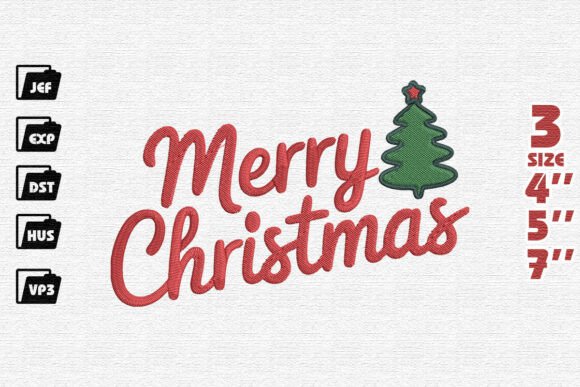
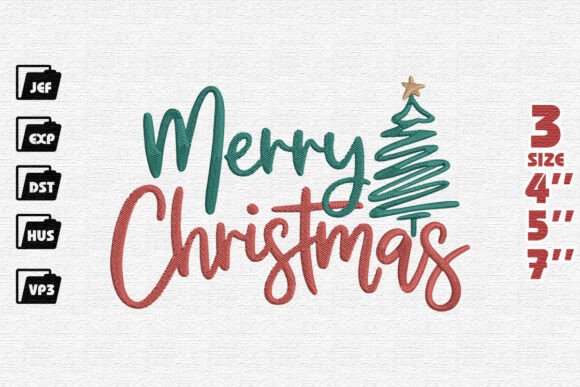
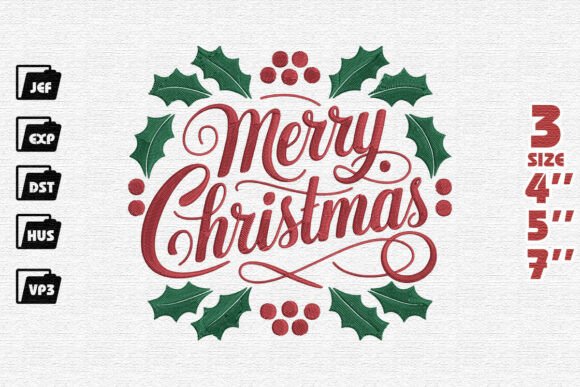
Upon loading the embroidery file into my digitizing software, the first thing that stands out is the intended mood. The description promises a playful and whimsical touch, and visually, the script delivers exactly that. Unlike rigid, formal holiday typography, this design features fluid lines that suggest movement and warmth. For an Etsy seller or boutique owner, this aesthetic is crucial. It bridges the gap between traditional holiday nostalgia and modern, approachable style.
The lettering appears optimized for readability while maintaining decorative flair. In my initial assessment, the balance between negative space and stitch coverage looks promising for various applications. However, as with any digital embroidery file, the screen view is only a hypothesis. The true test lies in how the satin stitch columns and potential fill stitch areas interact with needle and thread. The design feels versatile enough to serve as a standalone centerpiece on a smaller item or as a complementary element within a larger holiday composition.
Performance on Apparel and Wearables
I tested this design specifically for custom apparel and sweatshirt embroidery, two of the most common requests during the holiday season. Script fonts can be tricky on stretchy knits because the natural pull of the stitches can distort the fabric. When hooping a cotton-polyester blend sweatshirt, I paid close attention to the stitch density. The Merry Christmas Script performed well here; the lettering maintained its shape without causing excessive puckering, provided the correct stabilizer was used.
For those creating personalized gift items like family reunion shirts or staff uniforms, legibility is paramount. I found that resizing the design requires caution. If you scale it down too significantly for a youth size or sleeve placement, the intricate connections in the script may become lost or cause thread breaks. Always verify the minimum recommended size in the product details before committing to bulk production. Conversely, when scaled up for adult unisex tees, the design retains its charm without looking sparse or pixelated.
Home Decor and Textile Applications
Beyond apparel, this design is marketed as ideal for towels and home decor, and my testing supports this versatility. Kitchen towels and tea towels present unique challenges due to their textured terry cloth surface. A standard running stitch outline often gets swallowed by the pile. When stitching Merry Christmas Script on a flour sack towel versus a plush terry towel, the results varied slightly based on nap height.
For textured fabrics, I recommend using a water-soluble topping to keep the stitches crisp and visible. The whimsical nature of this script makes it particularly effective for nursery decor and baby blankets. However, safety and comfort are non-negotiable for baby items. I inspected the back of the embroidered sample carefully. The stitch pathing appeared efficient, minimizing unnecessary jumps and trims, which reduces bulk against sensitive skin. If you are selling handmade product items for infants, always ensure the backing is soft and secure after removing excess stabilizer.
Technical Considerations for Small Hoops and Details
Not every project allows for a large 5x7 or 6x10 hoop. Many crafters working with caps, pockets, or embroidered patch blanks are limited to 4x4 hoops. One of the critical evaluation points for Merry Christmas Script is its adaptability to smaller fields. The design’s aspect ratio seems conducive to re-hooping or splitting if necessary, though keeping it intact is always preferable for alignment.
When testing on a curved cap surface, the script's flow worked with the curve rather than fighting against it. This is a significant advantage for hat makers. However, users should be mindful of thread colors. High-contrast combinations (white thread on red fabric) highlighted the stitch definition beautifully, while low-contrast pairings made some of the finer connecting stitches difficult to discern from a distance. Before listing a new product, create test swatches in your intended colorways to ensure the design reads clearly in photographs and in person.
Commercial Viability and Product Value
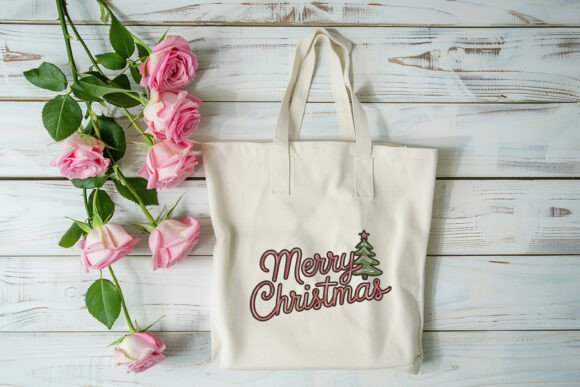
For small business owners and digital product sellers, the question is always: Will this design help sell finished goods? The answer depends on presentation. Merry Christmas Script has strong potential for printable mockup creation because of its distinct personality. It photographs well on flat lays and lifestyle shots, which drives customer engagement on social media platforms.
Furthermore, the perceived value of a tote bag design or pillow cover increases when the embroidery looks professional rather than homemade. This design avoids the generic clip-art look that can devalue custom work. Its stylistic consistency allows for brand cohesion; you could easily use this script across a collection of aprons, ornaments, and gift bags to create a recognizable holiday line. Just remember to confirm the licensing terms on the Creative Fabrica product page. Ensuring you have the appropriate commercial license for both the digital file and the physical finished product protects your business and builds buyer trust.
Practical Workflow Notes for Designers
To get the best results from this Creative Fabrica embroidery purchase, I recommend the following workflow adjustments based on my testing:
- Always Test First: Never run this design directly on a final product without a scrap fabric test. Check for registration issues between outlines and fills.
- Stabilizer Selection: Match your stabilizer weight to the fabric. Use cutaway for stretchy apparel and tear-away or wash-away for stable woven home decor.
- Thread Tension: Script fonts reveal tension issues immediately. Ensure your bobbin tension is balanced to prevent looping on the curves.
- File Verification: Confirm the specific file formats included (PES, DST, JEF, etc.) match your machine requirements before purchasing.
- Mockup Strategy: Create mockups on both light and dark backgrounds to showcase the design's versatility to potential customers.
Evaluating the Investment
In the crowded marketplace of holiday design assets, Merry Christmas Script distinguishes itself through its balance of whimsy and technical execution. It is not merely a decorative font but a functional tool for creating sellable merchandise. Whether you are producing commercial embroidery runs for a local business or crafting bespoke holiday gifts, this design offers reliable performance across multiple substrates.
However, success relies on the operator's skill. Understanding how to manage hoop size limitations, fabric texture, and stabilization will determine whether this design shines or struggles. By approaching this file with professional scrutiny and proper testing protocols, you can confidently integrate it into your seasonal catalog. For embroiderers seeking a versatile, charming script that translates well from screen to fabric, Merry Christmas Script is a worthy addition to your digital library, provided you respect the technical nuances of machine embroidery.