Little Prince Embroidery: A Craft Fair Seller’s Review
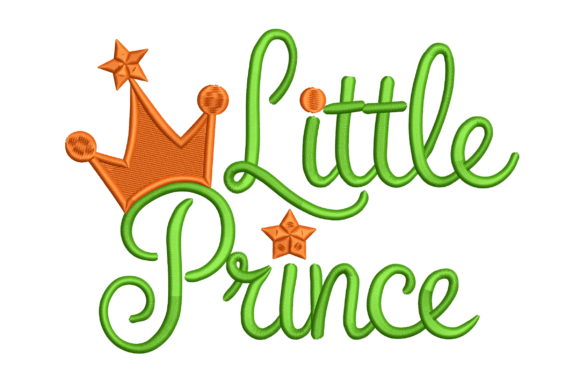
As an experienced embroidery designer preparing for a weekend craft fair, I evaluate every machine embroidery design through the lens of booth appeal and production efficiency. When reviewing the Little Prince design, my immediate assessment focuses on its potential as a high-turnover item for boys and girls' handmade products. This design features a bright orange and yellow crown with a star on top, paired with "Little Prince" in playful lime-green script. Described specifically as small, this embroidery file presents unique opportunities and challenges for vendors creating inventory for markets, Etsy shops, and boutique retail.
First Impressions and Booth Appeal
The first impression of Little Prince is undeniably cheerful and modern. It does not lean into traditional, stuffy nursery aesthetics; instead, the lime-green script against warm orange and yellow tones creates a vibrant, gender-neutral palette that catches the eye from a distance. For a craft fair product, visibility is paramount. Customers scanning a crowded table need to understand the theme instantly. This design succeeds because the crown icon acts as a visual anchor, while the color contrast ensures readability even in varying outdoor lighting conditions.
From a stylistic perspective, this design feels contemporary yet timeless. It avoids overly complex shading or dense fill stitches that can make children's items look heavy or stiff. The playful script suggests movement and joy, making it ideal for parents shopping for birthday gifts or everyday wear. As a small shop product, it strikes the right balance between novelty and classic charm, ensuring it won't look dated by next season.
Best Product Applications for Market Sales
Because Little Prince is categorized as a small design, it excels as an accent rather than a massive centerpiece. In my experience testing similar assets, here is where this design performs best for commercial embroidery:
- Bibs and Burp Cloths: This is the primary use case. The small scale fits perfectly on the lower third of a bib without interfering with the neck binding or functional area. The bright colors pop beautifully against white cotton or terry cloth.
- T-Shirt Chest Placement: For toddler tees, a left-chest placement is far more practical than a large center chest design. It allows for comfortable wear and layering, which parents appreciate.
- Patch Creation: Given its compact size and bold outlines, this digitizing works exceptionally well as an embroidered patch. Patches are high-margin add-ons at craft fairs and allow customers to customize their own denim jackets or backpacks.
- Cuff and Sleeve Accents: The linear nature of the script makes it suitable for sleeve cuffs on hoodies or pant legs, offering a subtle branding touch for handmade clothing lines.
- Small Pouches and Drawstring Bags: Perfect for holding pacifiers or small toys. The design scales appropriately for 4x4 hoops often used for these accessories.
While tote bag design and tea towel embroidery are popular categories, I would advise caution using this specific small version as the sole focal point on large adult-sized items. Unless combined with other elements, it may appear lost on a standard market tote. However, for mini-totes or child-sized aprons, the scale is appropriate.
Production Practicality and Batch Efficiency
For an Etsy seller or market vendor, time is money. Small designs like Little Prince are production powerhouses. They typically require less run time, meaning you can hoop multiple items or cycle through batches faster during prep weeks. The description notes a playful script and a crown; assuming standard digitizing practices for small items, the stitch density should be manageable on most fabrics without excessive puckering.
Photographing this design for online listings requires attention to scale. Because it is small, your printable mockup must accurately represent the physical size to avoid customer disappointment. When photographing finished goods, use macro lenses or close-up crops to show the texture of the lime-green thread and the definition of the star. Flat lays work well, but lifestyle shots on a child (or mannequin) provide necessary context for the actual dimensions.
Critical Technical Considerations
Despite its simplicity, small text and detailed icons carry inherent risks in commercial embroidery. Before listing this as a handmade product, consider these technical factors:
- Text Legibility: Playful scripts can become illegible if resized too small or stitched on textured fabrics. Verify the minimum height of the lettering. If the script is thinner than 3mm, it may require a satin stitch adjustment or a switch to running stitch for clarity.
- Fabric Texture Compatibility: On thick terry towels or fleece, small details can sink into the pile. You must use adequate stabilizer and potentially a water-soluble topping to keep the orange crown and green script crisp.
- Thread Color Contrast: Lime green on white is fresh, but lime green on yellow fabric will vanish. Always test thread colors against your intended base fabrics. High contrast is non-negotiable for small designs.
- Hoop Size Verification: Confirm the exact dimensions of the digital embroidery file. Just because it is labeled "small" does not guarantee it fits a 4x4 hoop. Measure the design in your software before hooping.
- Registration Marks: With multi-color designs involving text and icons, alignment is key. Ensure your machine handles color changes cleanly so the crown sits level above the script.
Designer Notes for Successful Execution
To maximize the selling potential of Little Prince, treat your preparation phase as seriously as your stitching. Never skip the test sew-out. Use scrap fabric that matches the weight and weave of your final finished product. Inspect the back of the test stitch-out; excessive jump stitches or bobbin thread showing on top indicates tension issues that will ruin perceived value.
Create at least one physical sample before the fair. Digital renderings cannot convey the tactile quality of embroidery. Seeing the sheen of the thread and the dimensionality of the crown helps you decide if the design needs underlay adjustments for your specific materials. Furthermore, verify your licensing. Ensure you have the rights to sell physical items embroidered with this design, especially if sourcing the design assets from a third-party digitizer. Clear commercial rights protect your business and brand integrity.
Finally, consider bundling. Since this is a small design, it pairs beautifully with personalized names or dates. Offering "Little Prince + Name" as a customizable option increases average order value at both physical booths and online stores. The combination of a fixed graphic element with variable personalization is a proven strategy for apron embroidery, baby gifts, and keepsake items.
Final Verdict for Vendors
Little Prince is a versatile, high-potential asset for makers targeting the baby and toddler niche. Its strength lies in its speed of production, gender-neutral colorway, and adaptability to small-format goods. By respecting the technical limitations of small text and ensuring proper stabilization on varied textures, this design can become a staple in your craft fair rotation. It offers the perfect blend of whimsy and wearability that drives sales in the handmade marketplace. Always prioritize real-world testing over digital assumptions to ensure every stitch meets the premium standards your customers expect.